


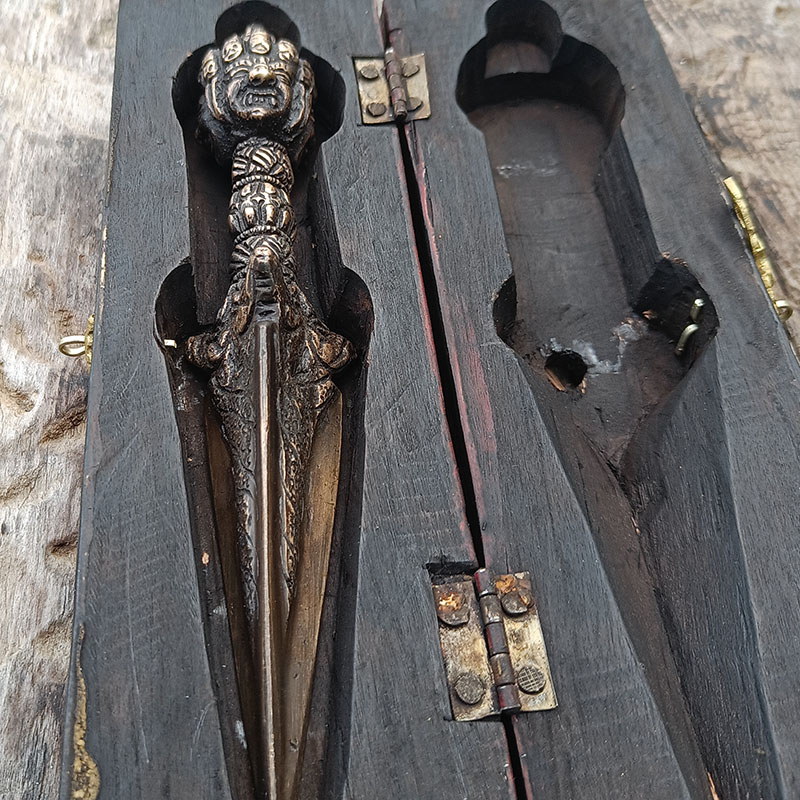
DORJE PHURBA
88,00 €
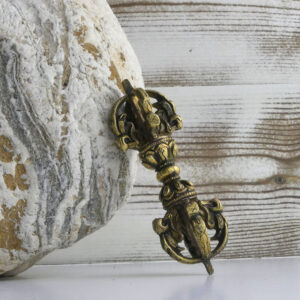
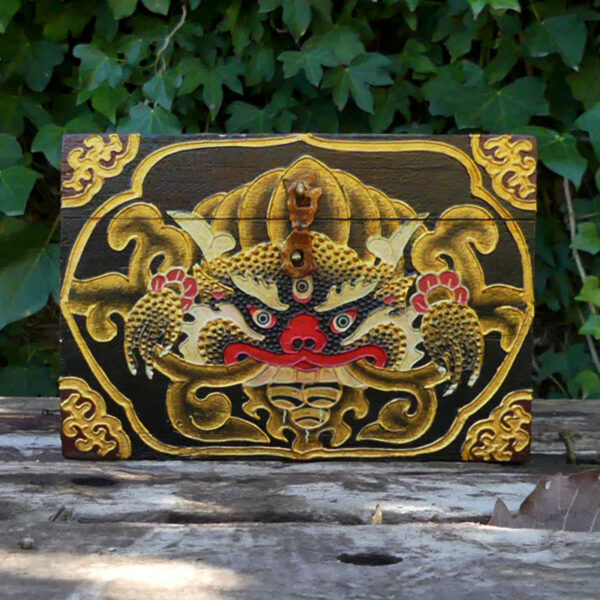
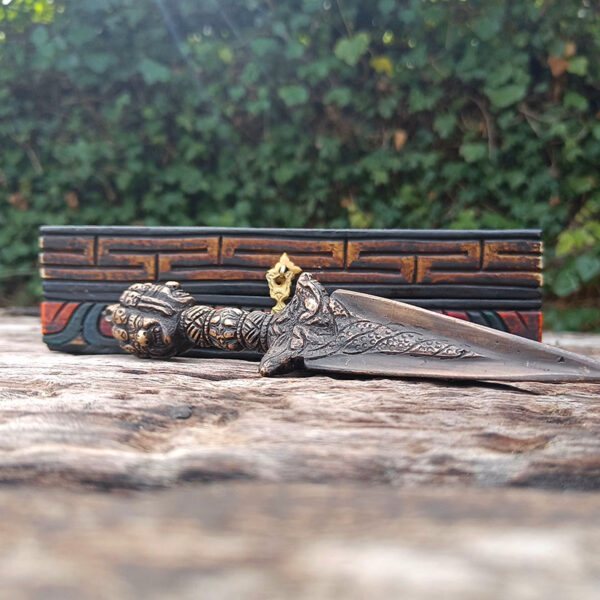
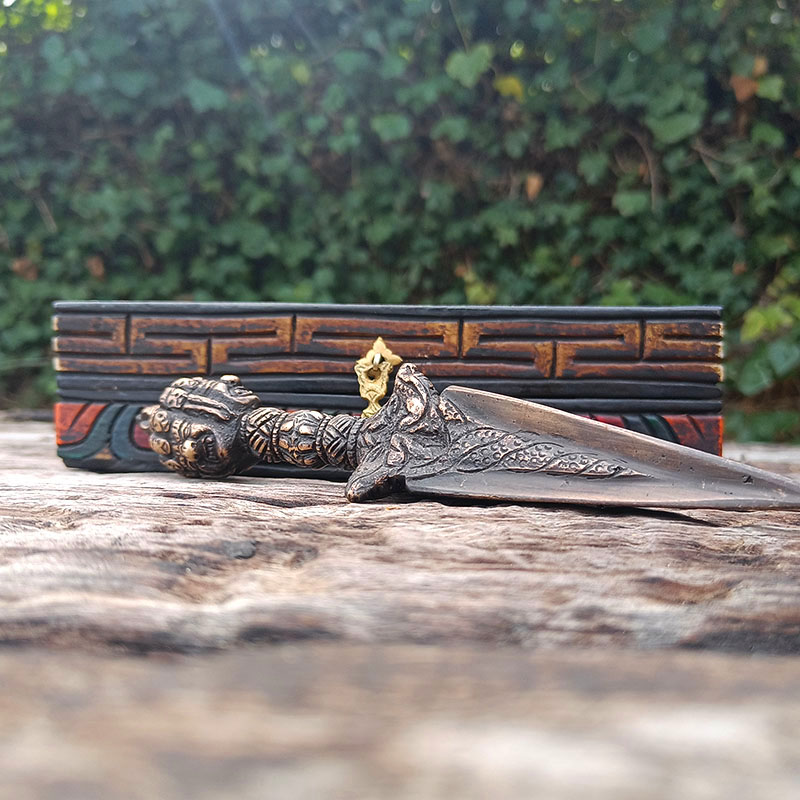
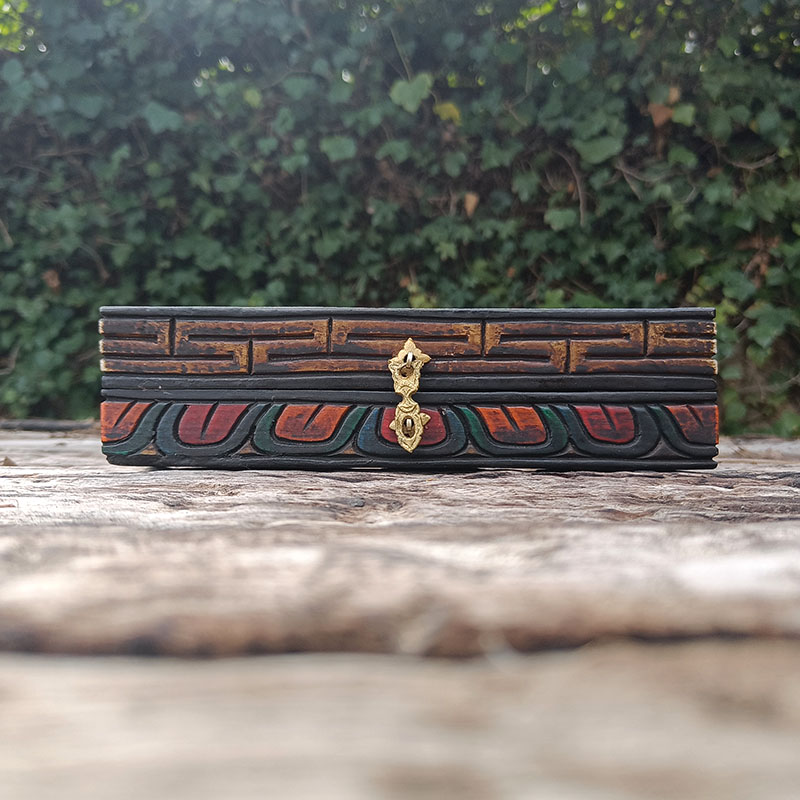
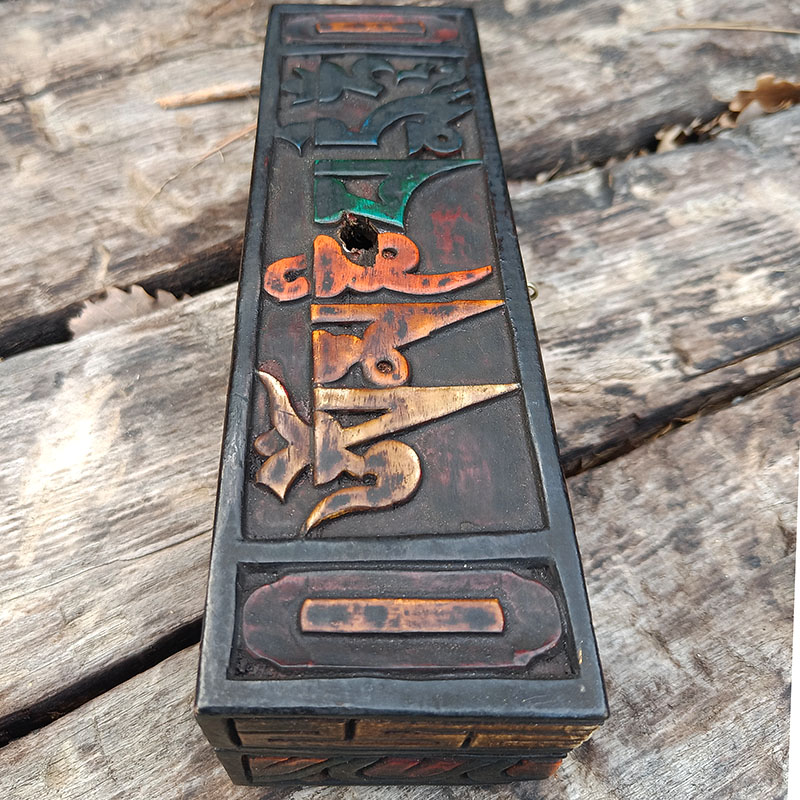
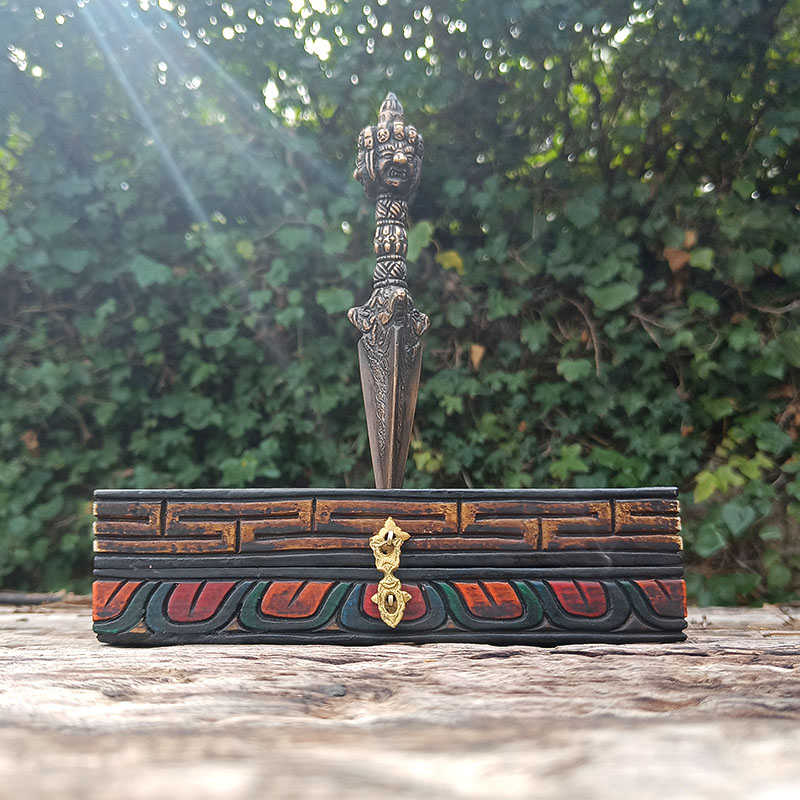
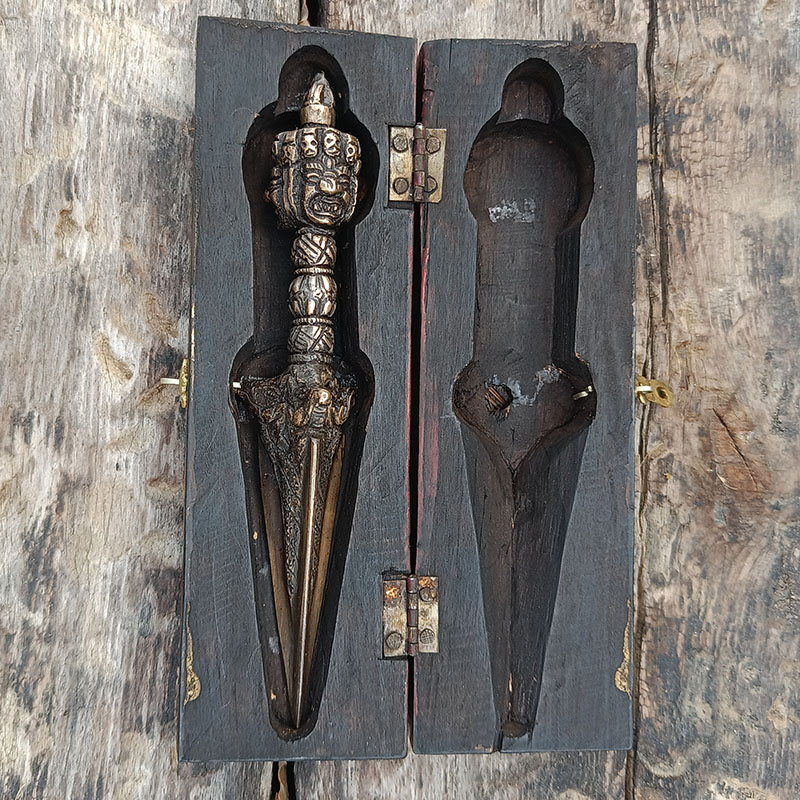
Ritual Dagger – Dorje Phurba (Kīla)
-
Box length: 24 cm
-
Box width: approx. 8 cm
-
Phurba length: 21.5 cm
-
Total weight: 960 g
-
Approx. dimensions: 31 × 12 cm
-
Material: Brass and iron alloy
The Dorje Phurba, also known as Kīla, is a three-sided ritual dagger deeply rooted in Tibetan and Vedic Indian traditions. The Phurba is always triple-pointed, reflecting the sacred numerology of 3 and 9.
Phurbas are used in shamanic healing, energy work, and spiritual harmonization. The top is associated with the meditative deity Vajrakilaya, while the lower part functions as a ritual instrument. To activate a Phurba, it is traditionally placed in rice or mounted in a mountain, symbolizing stability and spiritual grounding.
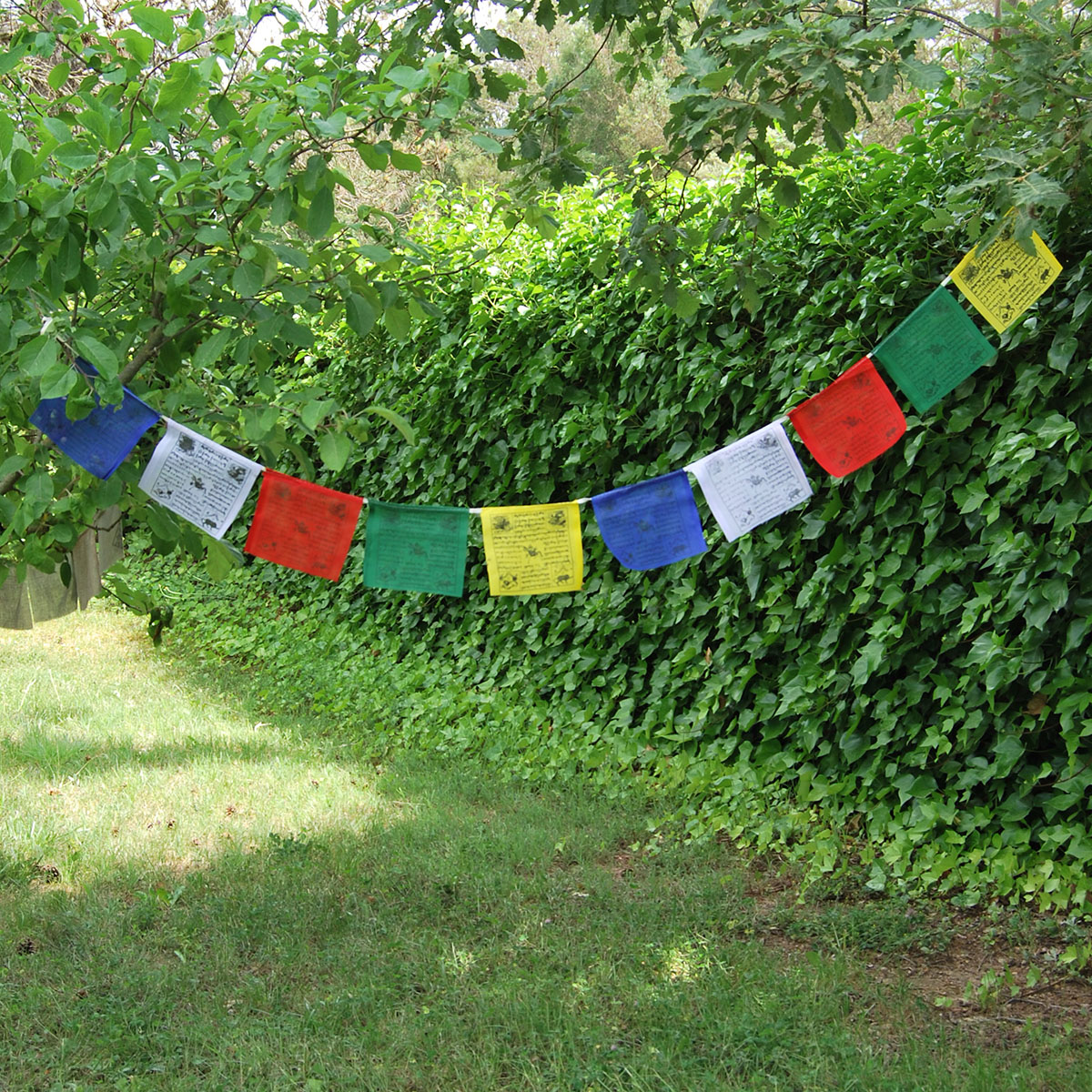
The energy of the Phurba is fierce, penetrating, and stabilizing, anchoring the elemental “space” to the Earth and maintaining a continuous energetic flow. Its handle can also be used in blessings as a spiritual tool, similar to laying a foundation stone or Tibetan prayer flags.
In the Kathmandu Valley, Phurbas are still used by shamans, magicians, tantrikas, and lamas from various ethnic groups. The Tamang, Gurung, and Newar communities use Phurbas intensively. Among the Newar tantric gubajus, the Kīla is an important healing tool.
Tantric priests often use Bhairab Phurbas for healing illnesses, especially those affecting children. In these rituals, the Phurba’s tip is immersed in a bowl of water, rotated, and the charged water is given to the sick child as a form of spiritual medicine.
For the shaman, the Phurba is not just an object — it is the shaman itself, taking form to travel to other worlds and realities.
19 in stock
19 in stock
Ritual Dagger – Dorje Phurba (Kīla)
-
Box length: 24 cm
-
Box width: approx. 8 cm
-
Phurba length: 21.5 cm
-
Total weight: 960 g
-
Approx. dimensions: 31 × 12 cm
-
Material: Brass and iron alloy
The Dorje Phurba, also known as Kīla, is a three-sided ritual dagger deeply rooted in Tibetan and Vedic Indian traditions. The Phurba is always triple-pointed, reflecting the sacred numerology of 3 and 9.
Phurbas are used in shamanic healing, energy work, and spiritual harmonization. The top is associated with the meditative deity Vajrakilaya, while the lower part functions as a ritual instrument. To activate a Phurba, it is traditionally placed in rice or mounted in a mountain, symbolizing stability and spiritual grounding.
The energy of the Phurba is fierce, penetrating, and stabilizing, anchoring the elemental “space” to the Earth and maintaining a continuous energetic flow. Its handle can also be used in blessings as a spiritual tool, similar to laying a foundation stone or Tibetan prayer flags.
In the Kathmandu Valley, Phurbas are still used by shamans, magicians, tantrikas, and lamas from various ethnic groups. The Tamang, Gurung, and Newar communities use Phurbas intensively. Among the Newar tantric gubajus, the Kīla is an important healing tool.
Tantric priests often use Bhairab Phurbas for healing illnesses, especially those affecting children. In these rituals, the Phurba’s tip is immersed in a bowl of water, rotated, and the charged water is given to the sick child as a form of spiritual medicine.
For the shaman, the Phurba is not just an object — it is the shaman itself, taking form to travel to other worlds and realities.